
Chieu Village Rice Paper – A Delicate Taste of Vietnamese Craftsmanship
Amidst the peaceful countryside of northern Vietnam, Chieu Village (Nam Xang commune, Ninh Binh province) quietly preserves a traditional craft that has endured through generations: making rice paper rolls for spring rolls (bánh đa nem). Without fanfare or modern machinery, this humble profession continues thanks to the patience, dexterity, and wholehearted dedication of its artisans.
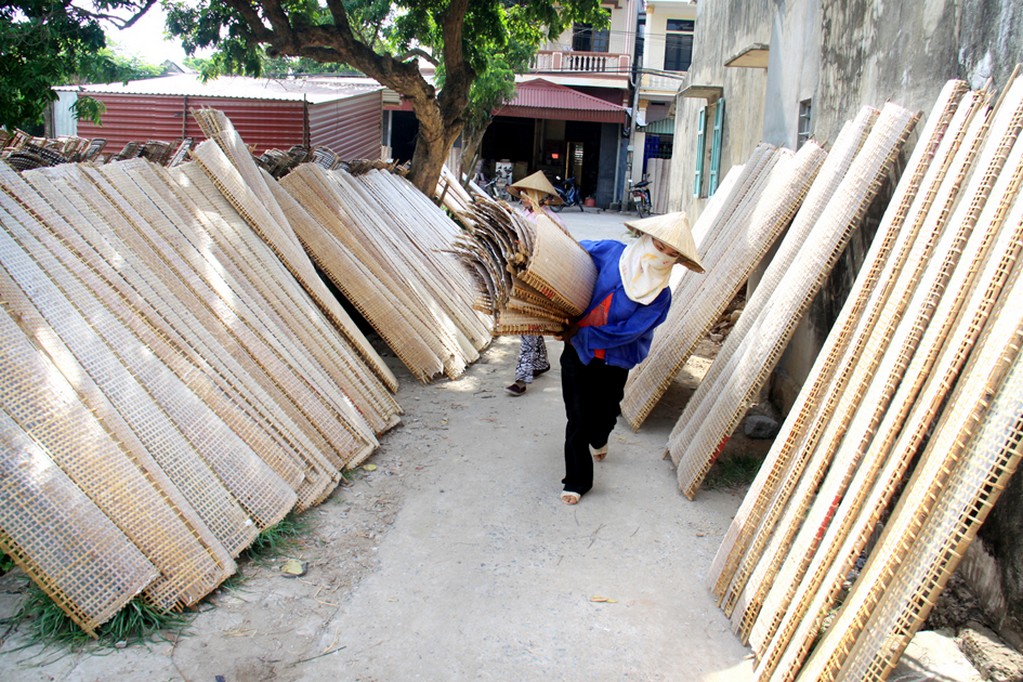
At dawn, the rhythmic sounds of grinding rice and the clattering of bamboo trays echo through the narrow village alleys. The process begins with carefully selected rice—fragrant, white, and naturally sticky. After being thoroughly washed and soaked, the rice is finely ground, steamed in a pressure pot, then poured as a thin layer over a hot mold. Once cooked, each sheet is delicately laid on bamboo trays and sun-dried until just firm enough to be lifted—neither too brittle nor too soft.
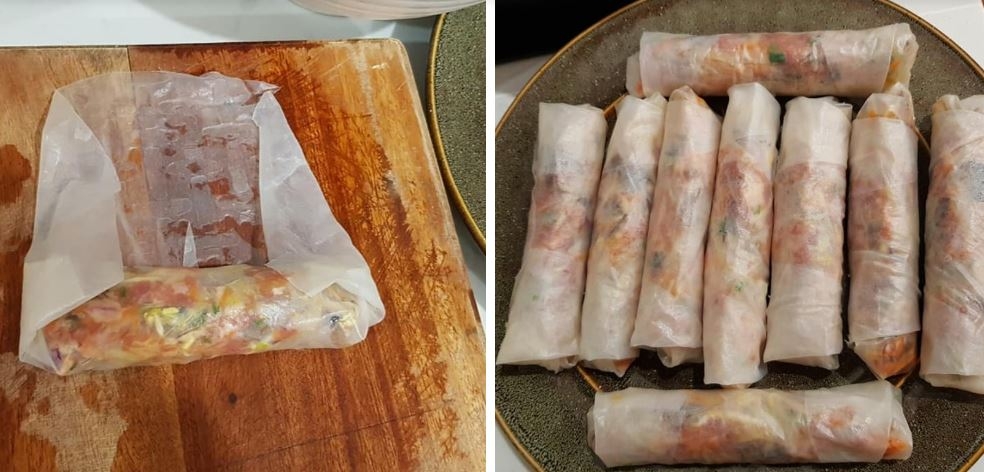
Each step demands precision. That’s why every bánh đa nem from Chieu Village bears the unmistakable touch of experienced hands—those who have, quite literally, “measured their days by each batch of rice paper.”

The secret to its excellence lies not only in the ingredients but also in the technique. Chieu’s rice paper is thin yet resilient, soft yet strong. It doesn’t tear during wrapping, nor does it bubble or crack when fried—unlike many commercial varieties. Under high heat, it turns a honey-golden color, crispy on the outside yet still slightly chewy within—a signature trait praised by culinary connoisseurs who’ve tasted fried spring rolls made with Chieu’s rice paper.
Especially during Tet (Vietnamese Lunar New Year), bánh đa nem is a cherished component of family reunion meals. Whether at local eateries or grand feasts, these crispy, chewy sheets elevate the flavor of every Vietnamese chả nem. More than just an ingredient, Chieu’s rice paper is a sensory memory—of new rice fragrance, sunshine-dried bamboo trays, and stories whispered in the quiet hum of a centuries-old village craft.
Today, the rice paper is hygienically packaged, making it ideal for travel or as a thoughtful gift. Many local households have modernized their packaging and incorporated helpful machinery while preserving the traditional formula—ensuring the paper retains its trademark thinness, pliability, and crispness. As a result, bánh đa nem from Chieu is no longer just a regional staple—it has found its way into supermarkets, restaurants, and trade fairs across the country. It stands as a proud symbol of Ninh Binh’s cultural heritage and the local people’s commitment to preserving their ancestral craft.
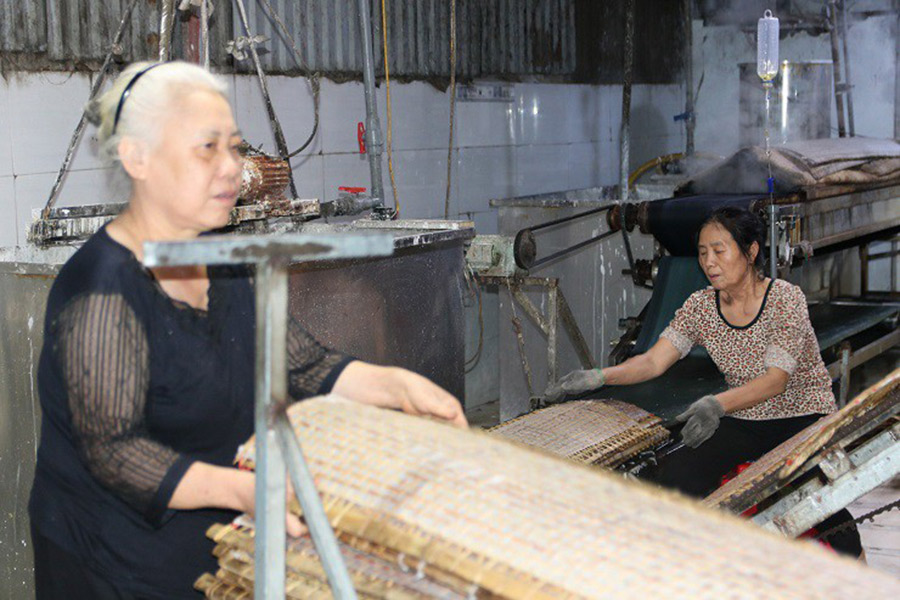
For travelers seeking an authentic cultural experience, a visit to Chieu Village offers more than just rice paper. You’ll witness the entire process, engage with seasoned artisans, and soak in the tranquil atmosphere of a Northern craft village. This unassuming delicacy holds within it the subtle elegance of Vietnamese cuisine, and the warmth of its land and people.
During your stay at Tien Loc Palace, our front desk staff can guide you to the best places to purchase authentic bánh đa nem, and even help plan a cultural day trip to nearby craft villages. These meaningful detours will enrich your journey through Ninh Binh—offering not just sightseeing, but deeper emotional connections to its traditions and stories.
Contact the Tien Loc Palace hotline to get travel tips, accommodation support, and recommendations for exploring Ninh Binh’s cultural gems!
At dawn, the rhythmic sounds of grinding rice and the clattering of bamboo trays echo through the narrow village alleys. The process begins with carefully selected rice—fragrant, white, and naturally sticky. After being thoroughly washed and soaked, the rice is finely ground, steamed in a pressure pot, then poured as a thin layer over a hot mold. Once cooked, each sheet is delicately laid on bamboo trays and sun-dried until just firm enough to be lifted—neither too brittle nor too soft.
Each step demands precision. That’s why every bánh đa nem from Chieu Village bears the unmistakable touch of experienced hands—those who have, quite literally, “measured their days by each batch of rice paper.”
The secret to its excellence lies not only in the ingredients but also in the technique. Chieu’s rice paper is thin yet resilient, soft yet strong. It doesn’t tear during wrapping, nor does it bubble or crack when fried—unlike many commercial varieties. Under high heat, it turns a honey-golden color, crispy on the outside yet still slightly chewy within—a signature trait praised by culinary connoisseurs who’ve tasted fried spring rolls made with Chieu’s rice paper.
Especially during Tet (Vietnamese Lunar New Year), bánh đa nem is a cherished component of family reunion meals. Whether at local eateries or grand feasts, these crispy, chewy sheets elevate the flavor of every Vietnamese chả nem. More than just an ingredient, Chieu’s rice paper is a sensory memory—of new rice fragrance, sunshine-dried bamboo trays, and stories whispered in the quiet hum of a centuries-old village craft.
Today, the rice paper is hygienically packaged, making it ideal for travel or as a thoughtful gift. Many local households have modernized their packaging and incorporated helpful machinery while preserving the traditional formula—ensuring the paper retains its trademark thinness, pliability, and crispness. As a result, bánh đa nem from Chieu is no longer just a regional staple—it has found its way into supermarkets, restaurants, and trade fairs across the country. It stands as a proud symbol of Ninh Binh’s cultural heritage and the local people’s commitment to preserving their ancestral craft.
For travelers seeking an authentic cultural experience, a visit to Chieu Village offers more than just rice paper. You’ll witness the entire process, engage with seasoned artisans, and soak in the tranquil atmosphere of a Northern craft village. This unassuming delicacy holds within it the subtle elegance of Vietnamese cuisine, and the warmth of its land and people.
During your stay at Tien Loc Palace, our front desk staff can guide you to the best places to purchase authentic bánh đa nem, and even help plan a cultural day trip to nearby craft villages. These meaningful detours will enrich your journey through Ninh Binh—offering not just sightseeing, but deeper emotional connections to its traditions and stories.
Contact the Tien Loc Palace hotline to get travel tips, accommodation support, and recommendations for exploring Ninh Binh’s cultural gems!
.png)
.png)
.png)
.png)
.png)
.png)
.png)
.png)
.png)
(1).png)