
A-Z Guide to Choosing Catering Services for Conferences and Corporate Events
A successful conference or corporate event is not defined only by the program content, speakers or event space. The accompanying dining experience also plays a very important role, as it is the moment when guests rest, talk, connect and feel the professionalism of the organizing team.
From tea breaks during the program and conference lunches to customer appreciation banquets and internal company gatherings after the event, each catering format should be chosen according to the event objective, number of guests, timing, budget and hosting style. When everything is prepared properly from the beginning, businesses can avoid many unexpected issues while offering participants a more professional experience.
If the main goal is to help guests rest between sessions, a light tea break with pastries, fruit, tea, coffee and drinks will be suitable. If the business wants to create a networking space after a seminar, a banquet meal or light buffet will give guests more opportunities to talk comfortably. For programs that require a formal atmosphere, such as signing ceremonies, partner appreciation events, product launches or executive receptions, the menu and serving space should be prepared more carefully.
When the objective is clear, it becomes easier to control the catering format, menu, serving time and budget.
For customer conferences, dishes should be easy to enjoy, well presented and served at the right pace. For internal programs, the menu can be friendlier and more familiar. For partner receptions or appreciation events, a formal atmosphere in the space, food and service should be prioritized. If there are elderly guests, the menu should limit dishes that are too spicy, too oily or difficult to eat. If there are international guests, the business can discuss with the organizer in advance to prepare suitable options.
The closer the meal is to the needs of the guests, the more comfortable the experience becomes.
A well-prepared tea break often includes tea, coffee, drinks, sweet pastries, light savory bites, fruit or small easy-to-enjoy items. The advantage of a tea break is that it is neat, quick and does not interrupt the program for too long, while still giving guests time to rest, talk and regain energy.
For corporate events, a tea break is also a detail that shows the thoughtfulness of the organizing team. The tea break area should be clean, easy to access, served at the right time and prepared in sufficient quantity for all guests.
This format is suitable for medium to large groups, post-conference meals, meet-and-greet events, business receptions or programs that require a moderate level of formality. The advantage of a set menu is stable service. Guests do not need to move around much, the format suits many age groups and it creates a comfortable atmosphere for conversation at the table.
When choosing a set menu, businesses should pay attention to balance between appetizers, main dishes, vegetables, soup, desserts and drinks. Dishes should be easy to enjoy, harmonious in taste and not too heavy or too unfamiliar if the guest profile is diverse.
The advantage of a buffet is variety. However, this format requires enough space, convenient walkways and attentive service staff to refill dishes, clear tables and support guests when needed. If the space is too narrow or the number of guests too large, a buffet can easily feel crowded.
Businesses should choose a buffet when they want to create a relaxed atmosphere, encourage interaction and allow enough time for guests to enjoy the meal.
With this format, the space, table layout, stage area, sound system, lighting and service flow need to be closely coordinated. A banquet is not only a meal, but also part of the program. Businesses can combine speeches, award ceremonies, toasts, video presentations or interactive activities during the banquet.
A well-prepared banquet creates a professional and formal feeling, helping guests clearly sense the investment and care of the organizing team.
This format creates a modern and flexible atmosphere. Guests can talk, enjoy light bites and move around the event space at the same time. However, finger food needs attractive presentation, carefully calculated quantity and suitability for the event duration.
If guests need a full meal, finger food should only serve as an appetizer or light reception, not a complete replacement for the main meal.
Outside catering allows businesses to offer a professional dining experience right at the event location. The service provider can support menu planning, equipment, service staff, table setup, food service and post-event cleaning. This format is suitable for openings, inauguration ceremonies, internal parties, corporate conferences, company gatherings or events held outside the hotel.
The most important factor when choosing outside catering is operational capability. Food quality must be maintained during transport, serving time must be punctual, the setup area should be neat and the coordination team must be able to handle on-site situations effectively.
Therefore, businesses should carefully agree on the timeline with the organizer. What time does the tea break take place? Does the main meal begin right after the conference or after the photo session? Will there be speeches during the meal? Are dishes served in courses or all at once? Do guests need to move to another banquet room?
The clearer the event script, the smoother the service flow. For programs with several parts such as conferences, awards, banquets, performances or networking, coordination between the event team, kitchen and service staff should be prepared in advance.
Businesses should prioritize dishes that are easy for most guests to enjoy, and avoid too many oily fried dishes, overly spicy flavors or difficult-to-eat items. If the event lasts all day, lunch should be moderately light so guests do not feel sluggish in the afternoon. For dinner, the menu can be fuller and more formal.
The budget should also be discussed clearly from the beginning. In addition to food costs, businesses should consider drinks, tea breaks, setup, service staff, decorations, equipment, transportation fees for outside catering if any, and other possible additional costs.
Aesthetic details are also very important. Clean dining tables, neat tablecloths, consistent dining utensils, suitable lighting and a well-arranged service area all create a more professional impression.
For corporate events, the image of the dining experience also reflects the brand image. A carefully prepared space helps guests feel the respect and care shown by the organizing team.
In corporate events, sometimes a small detail can make a difference: refilling water at the right time, assisting elderly guests, changing a dish when needed, clearing tables neatly, keeping walkways open or coordinating with the MC so speeches are not interrupted.
An experienced catering provider does not only prepare food. They know how to operate the meal within the overall event.
In addition, not surveying the venue carefully can also lead to unexpected issues. For outside catering, businesses should check the food display area, electricity and water sources, transport access, food preparation area, weather protection plans for outdoor events and setup time before the event.
The more carefully the preparation is done, the lower the risk. A corporate catering experience does not need to be overly showy, but it must be punctual, sufficient, well served and suitable for participants.
With its location right in central Phu Ly on National Highway 1A, the hotel is convenient for guests traveling from the city center, industrial zones, administrative offices or nearby provinces. This is an important advantage for programs with participants coming from different areas.
Tien Loc Palace offers restaurant spaces, conference venues, banquet rooms, dining services and guest rooms. Businesses can combine conferences, tea breaks, lunches, dinners, guest accommodation or business reception programs within one location.
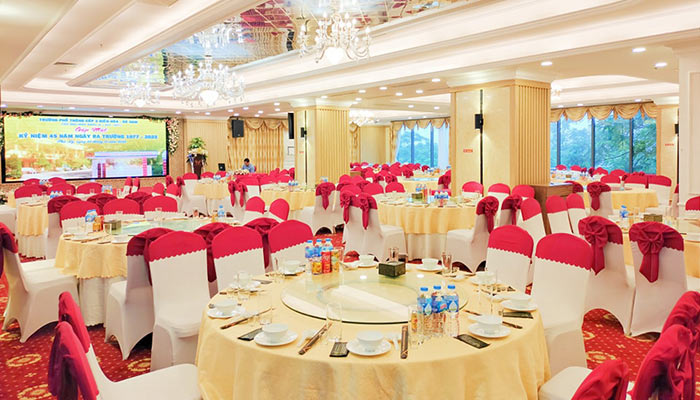
A suitable meal helps make a conference, seminar or corporate event more complete. Guests can rest at the right time, enjoy meals comfortably, have more opportunities to connect and clearly feel the thoughtfulness of the organizing team.
From defining the purpose, understanding the guest profile, choosing the catering format, calculating timing, building the menu and coordinating service, every step should be carefully prepared. When the meal is placed properly within the overall program, the event will run more smoothly and leave a more professional impression.
Contact Tien Loc Palace for consultation on catering formats, menus, event spaces and outside catering services tailored to your specific needs.
From tea breaks during the program and conference lunches to customer appreciation banquets and internal company gatherings after the event, each catering format should be chosen according to the event objective, number of guests, timing, budget and hosting style. When everything is prepared properly from the beginning, businesses can avoid many unexpected issues while offering participants a more professional experience.
Define the Purpose of the Meal Before Choosing the Menu
Before selecting dishes, businesses should first define the purpose of the meal. A tea break during a conference is completely different from a customer appreciation banquet. Lunch for an internal training program is not the same as a year-end gala or a partner reception.If the main goal is to help guests rest between sessions, a light tea break with pastries, fruit, tea, coffee and drinks will be suitable. If the business wants to create a networking space after a seminar, a banquet meal or light buffet will give guests more opportunities to talk comfortably. For programs that require a formal atmosphere, such as signing ceremonies, partner appreciation events, product launches or executive receptions, the menu and serving space should be prepared more carefully.
When the objective is clear, it becomes easier to control the catering format, menu, serving time and budget.
Understand the Guest Profile
A suitable menu should begin with the people who will enjoy it. Are the guests business leaders, partners, customers, internal staff or a business delegation from afar? What is the average age group? Are there many female guests, elderly guests, international guests or people with dietary restrictions?For customer conferences, dishes should be easy to enjoy, well presented and served at the right pace. For internal programs, the menu can be friendlier and more familiar. For partner receptions or appreciation events, a formal atmosphere in the space, food and service should be prioritized. If there are elderly guests, the menu should limit dishes that are too spicy, too oily or difficult to eat. If there are international guests, the business can discuss with the organizer in advance to prepare suitable options.
The closer the meal is to the needs of the guests, the more comfortable the experience becomes.
Choose a Catering Format That Matches the Event
Each corporate event will suit a different catering format. There is no single option that works for every program. What matters most is that the meal fits the content, duration and overall atmosphere of the event.Tea Break - Suitable for Conferences, Seminars and Training Programs
Tea breaks are usually served during a break or before the program begins. This format is suitable for conferences, seminars, training sessions, talks, customer meetings or events that last several hours.A well-prepared tea break often includes tea, coffee, drinks, sweet pastries, light savory bites, fruit or small easy-to-enjoy items. The advantage of a tea break is that it is neat, quick and does not interrupt the program for too long, while still giving guests time to rest, talk and regain energy.
For corporate events, a tea break is also a detail that shows the thoughtfulness of the organizing team. The tea break area should be clean, easy to access, served at the right time and prepared in sufficient quantity for all guests.
Set Menu - Suitable for Conference Lunches and Dinners
A set menu is a popular choice for main meals during conferences, seminars or corporate events. Each table follows a fixed menu, with dishes served in sequence, helping the organizing team control quantity, timing and cost more easily.This format is suitable for medium to large groups, post-conference meals, meet-and-greet events, business receptions or programs that require a moderate level of formality. The advantage of a set menu is stable service. Guests do not need to move around much, the format suits many age groups and it creates a comfortable atmosphere for conversation at the table.
When choosing a set menu, businesses should pay attention to balance between appetizers, main dishes, vegetables, soup, desserts and drinks. Dishes should be easy to enjoy, harmonious in taste and not too heavy or too unfamiliar if the guest profile is diverse.
Buffet - Flexible for Events with Different Guest Groups
Buffet service is suitable for programs with a more open atmosphere, such as internal company parties, networking events, customer gatherings, post-seminar parties or events with several different guest groups. Guests can choose dishes according to their own tastes, move around and interact more freely.The advantage of a buffet is variety. However, this format requires enough space, convenient walkways and attentive service staff to refill dishes, clear tables and support guests when needed. If the space is too narrow or the number of guests too large, a buffet can easily feel crowded.
Businesses should choose a buffet when they want to create a relaxed atmosphere, encourage interaction and allow enough time for guests to enjoy the meal.
Banquet Meal - Suitable for Appreciation Events, Year-End Reviews and Partner Meetings
A banquet meal carries a more formal tone and is often suitable for customer appreciation programs, year-end reviews, partner meetings, corporate parties or gatherings with a clear program script.With this format, the space, table layout, stage area, sound system, lighting and service flow need to be closely coordinated. A banquet is not only a meal, but also part of the program. Businesses can combine speeches, award ceremonies, toasts, video presentations or interactive activities during the banquet.
A well-prepared banquet creates a professional and formal feeling, helping guests clearly sense the investment and care of the organizing team.
Finger Food or Light Cocktails - Suitable for Networking
For events that require a high level of interaction, such as product launches, partner gatherings, openings, small exhibitions or networking events, finger food and light cocktails are worth considering. The food is prepared in small portions, easy to hold and easy to enjoy, without requiring guests to sit in one place for too long.This format creates a modern and flexible atmosphere. Guests can talk, enjoy light bites and move around the event space at the same time. However, finger food needs attractive presentation, carefully calculated quantity and suitability for the event duration.
If guests need a full meal, finger food should only serve as an appetizer or light reception, not a complete replacement for the main meal.
Outside Catering - A Solution for Events at Private Venues
Not every event takes place in a hotel or restaurant. Many businesses want to organize catering at offices, factories, showrooms, construction sites, industrial zones or private venues. In these cases, outside catering is a suitable solution.Outside catering allows businesses to offer a professional dining experience right at the event location. The service provider can support menu planning, equipment, service staff, table setup, food service and post-event cleaning. This format is suitable for openings, inauguration ceremonies, internal parties, corporate conferences, company gatherings or events held outside the hotel.
The most important factor when choosing outside catering is operational capability. Food quality must be maintained during transport, serving time must be punctual, the setup area should be neat and the coordination team must be able to handle on-site situations effectively.
Calculate Serving Time According to the Event Script
No matter how well a meal is prepared, it can lose points if served at the wrong time. A tea break served too early may no longer look fresh. A late lunch can make guests tired. A dinner that runs too long may affect the travel schedule of participants.Therefore, businesses should carefully agree on the timeline with the organizer. What time does the tea break take place? Does the main meal begin right after the conference or after the photo session? Will there be speeches during the meal? Are dishes served in courses or all at once? Do guests need to move to another banquet room?
The clearer the event script, the smoother the service flow. For programs with several parts such as conferences, awards, banquets, performances or networking, coordination between the event team, kitchen and service staff should be prepared in advance.
Choose a Balanced, Easy-to-Enjoy Menu That Fits the Budget
A menu for a corporate event should be attractive, sufficient, pleasant in taste and suitable for the budget. It is not necessary to choose too many complicated dishes. A well-balanced menu often creates a better impression than a long menu that lacks harmony.Businesses should prioritize dishes that are easy for most guests to enjoy, and avoid too many oily fried dishes, overly spicy flavors or difficult-to-eat items. If the event lasts all day, lunch should be moderately light so guests do not feel sluggish in the afternoon. For dinner, the menu can be fuller and more formal.
The budget should also be discussed clearly from the beginning. In addition to food costs, businesses should consider drinks, tea breaks, setup, service staff, decorations, equipment, transportation fees for outside catering if any, and other possible additional costs.
Pay Attention to the Catering Space
The catering space should match the number of guests and service format. A set menu requires comfortable tables and chairs, with walkways wide enough for serving dishes. A buffet needs a food display area that is easy to access and does not cause congestion. A tea break should be placed in a convenient location for guests to move around during breaks.Aesthetic details are also very important. Clean dining tables, neat tablecloths, consistent dining utensils, suitable lighting and a well-arranged service area all create a more professional impression.
For corporate events, the image of the dining experience also reflects the brand image. A carefully prepared space helps guests feel the respect and care shown by the organizing team.
Ensure an Experienced Service Team
The service team directly affects the guest experience. Staff should understand the event script, know when to serve dishes, support guests quickly, maintain a polite attitude and handle unexpected situations with tact.In corporate events, sometimes a small detail can make a difference: refilling water at the right time, assisting elderly guests, changing a dish when needed, clearing tables neatly, keeping walkways open or coordinating with the MC so speeches are not interrupted.
An experienced catering provider does not only prepare food. They know how to operate the meal within the overall event.
Common Mistakes When Choosing Catering for Events
Many businesses focus only on price or the number of dishes, while forgetting to look at the overall experience. Common mistakes include choosing a lunch menu that is too heavy, ordering an insufficient quantity for tea break, placing a buffet in a cramped area, lacking service staff, failing to check equipment before the program or not agreeing clearly on serving times.In addition, not surveying the venue carefully can also lead to unexpected issues. For outside catering, businesses should check the food display area, electricity and water sources, transport access, food preparation area, weather protection plans for outdoor events and setup time before the event.
The more carefully the preparation is done, the lower the risk. A corporate catering experience does not need to be overly showy, but it must be punctual, sufficient, well served and suitable for participants.
Tien Loc Palace - A Suggested Catering and Event Service Provider in Phu Ly
In Phu Ly, Tien Loc Palace is a suitable suggestion for businesses looking for a venue to organize conferences, seminars, corporate parties, customer meetings, partner appreciation events or internal company events.With its location right in central Phu Ly on National Highway 1A, the hotel is convenient for guests traveling from the city center, industrial zones, administrative offices or nearby provinces. This is an important advantage for programs with participants coming from different areas.
Tien Loc Palace offers restaurant spaces, conference venues, banquet rooms, dining services and guest rooms. Businesses can combine conferences, tea breaks, lunches, dinners, guest accommodation or business reception programs within one location.
A suitable meal helps make a conference, seminar or corporate event more complete. Guests can rest at the right time, enjoy meals comfortably, have more opportunities to connect and clearly feel the thoughtfulness of the organizing team.
From defining the purpose, understanding the guest profile, choosing the catering format, calculating timing, building the menu and coordinating service, every step should be carefully prepared. When the meal is placed properly within the overall program, the event will run more smoothly and leave a more professional impression.
Contact Tien Loc Palace for consultation on catering formats, menus, event spaces and outside catering services tailored to your specific needs.
.png)
.png)
.png)
.png)
.png)
.png)
.png)
.png)
.png)
(1).png)