
What Makes Van Cu Pho Special? Decoding the Flavor of Traditional Northern Vietnamese Pho
Amid the many modern variations of pho, Van Cu pho is still regarded by culinary experts as one of the most representative forms of authentic Northern pho. Instead of following trends with elaborate toppings or heavily seasoned industrial-style broth, Van Cu pho maintains a philosophy of simplicity while preserving precision in every step. Let Tien Loc Palace help you decode the appeal of this iconic traditional dish.
1. Where does Van Cu pho originate from?
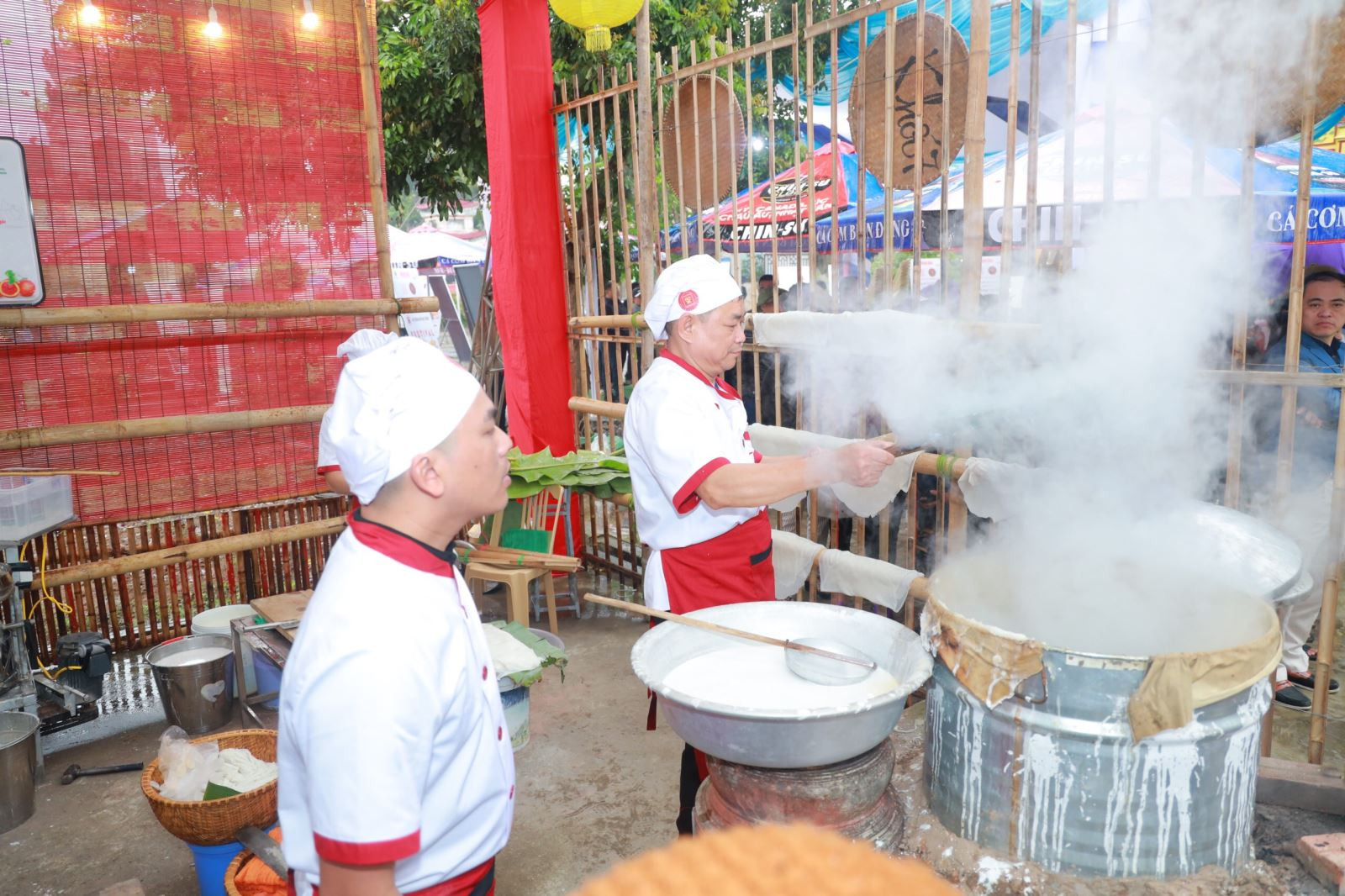
Van Cu pho originates from Van Cu village, formerly in Nam Dinh province—now part of Nam Dong commune in the newly established Ninh Binh province. Located along the gentle Ninh Co River, Van Cu village has long been known for its tradition of making rice sheets and pho noodles. According to family records and stories passed down by elders, the pho craft here began to flourish in the early 1900s.
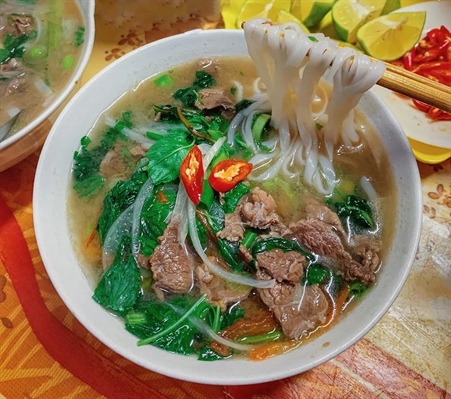
When mentioning Van Cu pho, it is impossible not to mention the Co family—the pioneers who brought the reputation of traditional pho beyond the village. Men of the Co family, with their enduring strength and determination, carried shoulder poles filled with fragrant broth and soft, chewy pho noodles, traveling through the streets of Hanoi in the early 20th century.
2. Decoding the elements that create the distinctive flavor of Van Cu pho
Broth
If a bowl of pho is considered a work of art, then the broth is its perfect foundation. The broth of traditional Northern pho from Van Cu village is clear, not overly fatty, yet naturally sweet and refined.
To create such a distinctive broth, the key lies in selecting the right bones and simmering beef bones continuously for many hours. Once the broth begins to boil, it must be constantly skimmed to remove impurities. The bones are simmered for more than 10 hours over low heat, often continuing through the night and into the next day until the broth is fully used.
The uniqueness also comes from a carefully balanced blend of traditional spices. Charred ginger, fragrant shallots, combined with cardamom, cinnamon, star anise, and dried shrimp create a rich yet elegant aroma. Notably, Van Cu cooks only use premium anchovy fish sauce for seasoning. The fish sauce does not overpower but blends harmoniously, creating a deep, lingering sweetness—completely different from the artificial sweetness found in modern industrial seasonings.
Pho noodles
In Van Cu village, families still preserve the tradition of making pho noodles by hand. The rice used must be aged rice, soaked properly to achieve a smooth, naturally translucent batter.
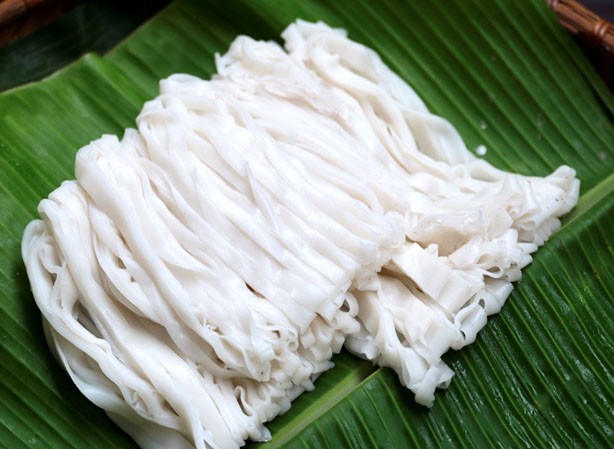
Van Cu pho noodles are thin, soft, and silky, yet maintain a distinctive elasticity. When placed into a bowl and combined with hot broth, the noodles absorb the essence of the soup while still retaining their structure, without becoming mushy or overly swollen. This balance is what creates a satisfying texture from the very first bite.
Beef preparation techniques
The beef used in Van Cu pho is carefully categorized: rare, well-done, flank, brisket, or tendon. The meat is sliced into large but extremely thin pieces, arranged evenly across the surface of the bowl like a blooming flower.
For rare pho, the beef is briefly blanched in boiling water for just a few seconds to retain its natural sweetness and tenderness. Meanwhile, for stir-fried rare pho, the beef is quickly sauteed over high heat with garlic before being added to the bowl. The glossy layer of fat combined with the aroma of slightly charred garlic creates an irresistible appeal, even for the most discerning diners.
3. How to enjoy Van Cu pho the right way
Food enthusiasts from Nam Dinh often choose early morning, when the mist has not yet fully lifted and the air still carries a slight chill, to enjoy pho. In that setting, the steam rising from the bowl not only brings out the fragrance of cinnamon and star anise but also warms the entire atmosphere.
The proper way to enjoy pho is to respect each carefully prepared ingredient. Instead of immediately adding condiments, lovers of traditional Northern pho take the first moments to observe the harmony of the bowl and taste the original broth. This is a way of honoring the artisans of Van Cu village, who have dedicated their lives to preserving a timeless recipe across generations.
4. The cultural value of Van Cu pho
Beyond being a livelihood, Van Cu pho represents pride and deep respect for local agricultural heritage. Each bowl carries meaningful cultural values:
The spirit of inheritance: The pho craft is passed down through generations within families such as the Co and Phan families. The secrets of the broth and noodle-making techniques are not written down but preserved through the hands of artisans, demonstrating the enduring vitality of this family heritage.
Community connection: Traditional Northern pho acts as a cultural bridge, connecting people from all walks of life. Whether enjoyed on the street or in a refined setting, a bowl of pho retains its simplicity and warmth, turning every meal into a moment of shared identity.
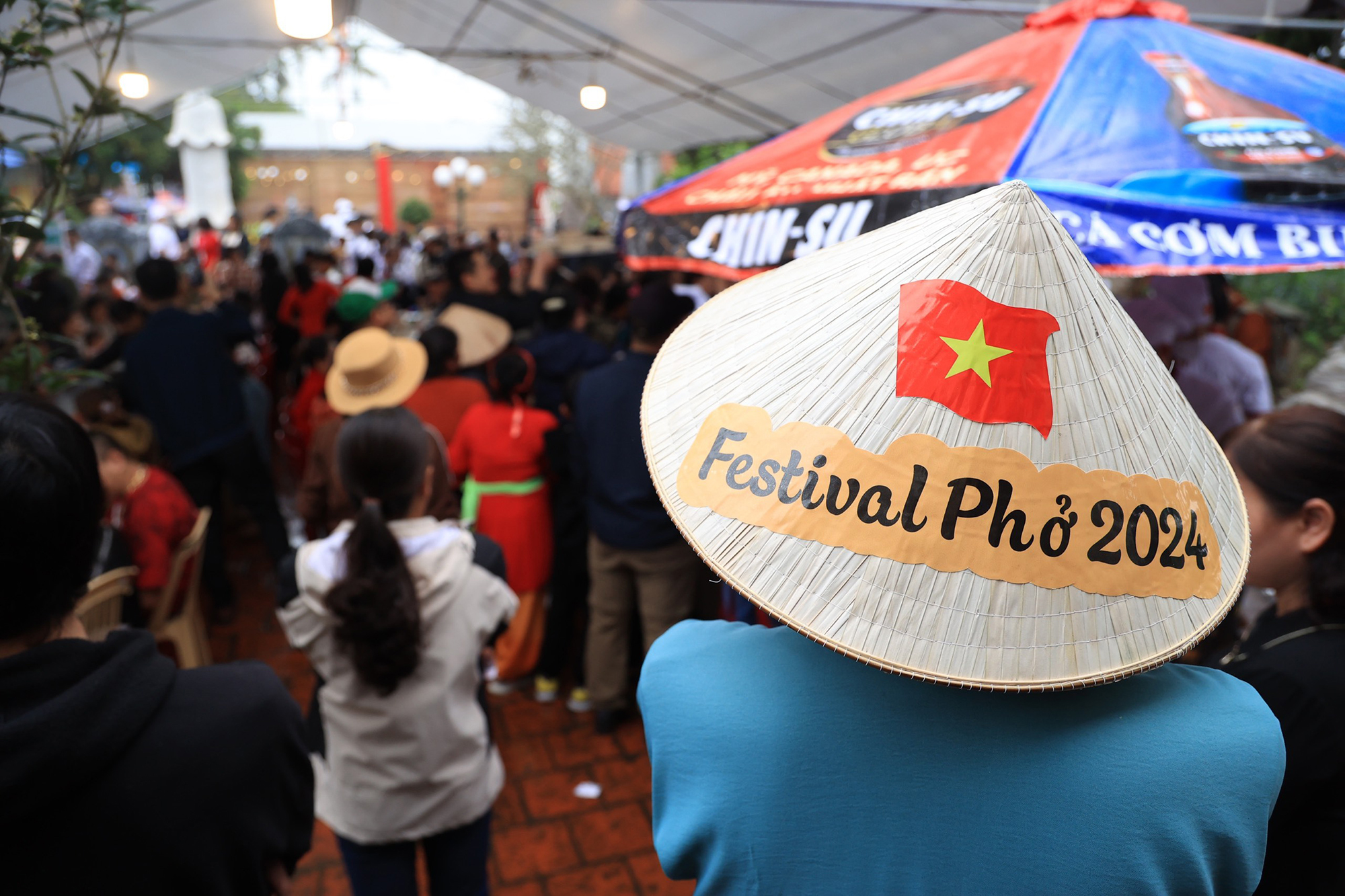
A pillar of tradition: In an era dominated by industrial food, the commitment to using beef bones and pure fish sauce reflects professional integrity. Van Cu pho serves as a cultural anchor, allowing diners to rediscover authentic values and the purest flavors of Vietnamese cuisine.
We hope this article has helped you understand what makes Van Cu pho special and appreciate the dedication of the artisans who continue to preserve the essence of traditional Northern pho. Tien Loc Palace is always ready to accompany you on your journey to explore and honor the most authentic culinary values.
1. Where does Van Cu pho originate from?
Van Cu pho originates from Van Cu village, formerly in Nam Dinh province—now part of Nam Dong commune in the newly established Ninh Binh province. Located along the gentle Ninh Co River, Van Cu village has long been known for its tradition of making rice sheets and pho noodles. According to family records and stories passed down by elders, the pho craft here began to flourish in the early 1900s.
When mentioning Van Cu pho, it is impossible not to mention the Co family—the pioneers who brought the reputation of traditional pho beyond the village. Men of the Co family, with their enduring strength and determination, carried shoulder poles filled with fragrant broth and soft, chewy pho noodles, traveling through the streets of Hanoi in the early 20th century.
2. Decoding the elements that create the distinctive flavor of Van Cu pho
Broth
If a bowl of pho is considered a work of art, then the broth is its perfect foundation. The broth of traditional Northern pho from Van Cu village is clear, not overly fatty, yet naturally sweet and refined.
To create such a distinctive broth, the key lies in selecting the right bones and simmering beef bones continuously for many hours. Once the broth begins to boil, it must be constantly skimmed to remove impurities. The bones are simmered for more than 10 hours over low heat, often continuing through the night and into the next day until the broth is fully used.
The uniqueness also comes from a carefully balanced blend of traditional spices. Charred ginger, fragrant shallots, combined with cardamom, cinnamon, star anise, and dried shrimp create a rich yet elegant aroma. Notably, Van Cu cooks only use premium anchovy fish sauce for seasoning. The fish sauce does not overpower but blends harmoniously, creating a deep, lingering sweetness—completely different from the artificial sweetness found in modern industrial seasonings.
Pho noodles
In Van Cu village, families still preserve the tradition of making pho noodles by hand. The rice used must be aged rice, soaked properly to achieve a smooth, naturally translucent batter.
Van Cu pho noodles are thin, soft, and silky, yet maintain a distinctive elasticity. When placed into a bowl and combined with hot broth, the noodles absorb the essence of the soup while still retaining their structure, without becoming mushy or overly swollen. This balance is what creates a satisfying texture from the very first bite.
Beef preparation techniques
The beef used in Van Cu pho is carefully categorized: rare, well-done, flank, brisket, or tendon. The meat is sliced into large but extremely thin pieces, arranged evenly across the surface of the bowl like a blooming flower.
For rare pho, the beef is briefly blanched in boiling water for just a few seconds to retain its natural sweetness and tenderness. Meanwhile, for stir-fried rare pho, the beef is quickly sauteed over high heat with garlic before being added to the bowl. The glossy layer of fat combined with the aroma of slightly charred garlic creates an irresistible appeal, even for the most discerning diners.
3. How to enjoy Van Cu pho the right way
Food enthusiasts from Nam Dinh often choose early morning, when the mist has not yet fully lifted and the air still carries a slight chill, to enjoy pho. In that setting, the steam rising from the bowl not only brings out the fragrance of cinnamon and star anise but also warms the entire atmosphere.
The proper way to enjoy pho is to respect each carefully prepared ingredient. Instead of immediately adding condiments, lovers of traditional Northern pho take the first moments to observe the harmony of the bowl and taste the original broth. This is a way of honoring the artisans of Van Cu village, who have dedicated their lives to preserving a timeless recipe across generations.
4. The cultural value of Van Cu pho
Beyond being a livelihood, Van Cu pho represents pride and deep respect for local agricultural heritage. Each bowl carries meaningful cultural values:
The spirit of inheritance: The pho craft is passed down through generations within families such as the Co and Phan families. The secrets of the broth and noodle-making techniques are not written down but preserved through the hands of artisans, demonstrating the enduring vitality of this family heritage.
Community connection: Traditional Northern pho acts as a cultural bridge, connecting people from all walks of life. Whether enjoyed on the street or in a refined setting, a bowl of pho retains its simplicity and warmth, turning every meal into a moment of shared identity.
A pillar of tradition: In an era dominated by industrial food, the commitment to using beef bones and pure fish sauce reflects professional integrity. Van Cu pho serves as a cultural anchor, allowing diners to rediscover authentic values and the purest flavors of Vietnamese cuisine.
We hope this article has helped you understand what makes Van Cu pho special and appreciate the dedication of the artisans who continue to preserve the essence of traditional Northern pho. Tien Loc Palace is always ready to accompany you on your journey to explore and honor the most authentic culinary values.
.png)
.png)
.png)
.png)
.png)
.png)
.png)
.png)
.png)
(1).png)